Share
Facebook
Twitter
LinkedIn
Pinterest
Reddit
Digg
Tumblr
Email
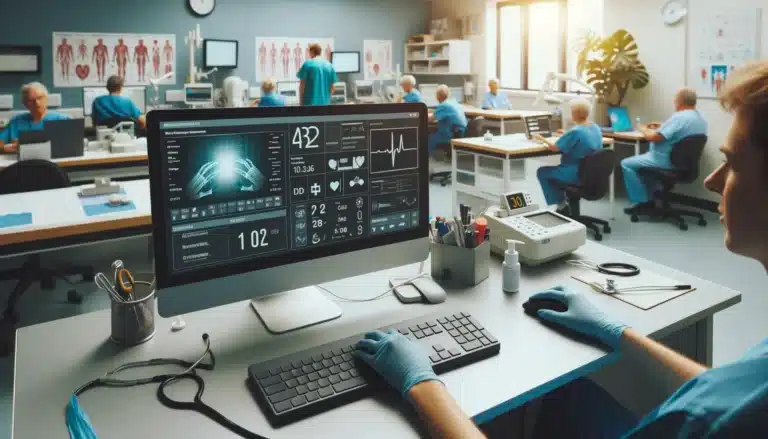
New Zealand’s healthcare system is experiencing a significant shift towards digital record keeping, fundamentally changing how patient information is stored, accessed, and shared across medical facilities. This transformation brings remarkable benefits for care coordination and medical outcomes, yet raises critical questions about privacy protection and data security that affect every New Zealander.
The transition from paper-based systems to electronic health records represents one of the most substantial changes in New Zealand healthcare delivery in decades. Medical practices, hospitals, and specialist clinics nationwide are adopting sophisticated digital platforms that promise improved patient care through better information sharing and reduced medical errors.
The New Zealand health sector has implemented various digital health record systems across different regions and healthcare providers. District Health Boards operate their own electronic systems, while general practices use patient management software that increasingly connects with broader health networks. This patchwork of systems reflects both the opportunities and challenges facing digital healthcare transformation.
Pharmacies, laboratories, and radiology centres now routinely share test results and prescription information electronically, creating a more connected healthcare environment. The Ministry has been working to establish national standards and frameworks that support interoperability between different health information systems.
However, the current landscape reveals significant variations in how different healthcare providers handle digital records. Some facilities have advanced integrated systems that allow seamless information sharing, while others still rely on basic electronic storage with limited connectivity to other providers.
Patient privacy remains paramount in New Zealand’s approach to digital health records. The Privacy Act 2020 establishes strict requirements for how healthcare providers collect, store, and share personal health information. Patients maintain specific rights regarding access to their medical records and control over how their information is used.
Healthcare providers must obtain explicit consent before sharing patient information between different medical facilities or specialists. This consent-based approach ensures patients understand who has access to their health data and for what purposes. Many providers now offer patient portals where individuals can review their own health records and track who has accessed their information.
The principle of minimum necessary access means healthcare staff can only view patient information required for their specific role in providing care. Advanced digital systems implement role-based access controls that automatically limit what information different healthcare workers can see, protecting patient confidentiality while enabling effective treatment.
Modern electronic health record systems in New Zealand incorporate multiple layers of security protection. Encryption technology scrambles patient data both when stored on servers and during transmission between healthcare facilities, making information unreadable to unauthorised users even if systems are compromised.
Healthcare providers implement robust authentication protocols requiring strong passwords, two-factor verification, and regular security updates. Many systems now use biometric identification or smart card access to ensure only authorised personnel can access patient records. Automatic logout features prevent unauthorised access when workstations are left unattended.
Regular security audits and penetration testing help identify vulnerabilities before they can be exploited. Healthcare IT departments monitor system access continuously, flagging unusual access patterns or potential security breaches for immediate investigation.

Despite strong security measures, digital health records face ongoing challenges that concern both healthcare providers and patients. Cybersecurity threats continue evolving, with healthcare data becoming increasingly valuable to criminal organisations seeking to steal personal information for identity theft or financial fraud.
The interconnected nature of modern healthcare systems creates both benefits and risks. While seamless information sharing improves patient care, it also creates more potential entry points for cyberattacks. A security breach at one healthcare provider could potentially affect patient data across multiple connected systems.
Staff training represents another critical challenge, as human error remains one of the most common causes of data breaches. Healthcare workers must receive ongoing education about privacy protection, secure handling of patient information, and recognising potential security threats like phishing emails or social engineering attacks.
When properly implemented with strong security measures, digital health records offer substantial advantages for both patients and healthcare providers. Medical professionals can access complete patient histories quickly, reducing the risk of adverse drug reactions or duplicate testing that wastes resources and delays treatment.
Emergency situations particularly benefit from digital records, allowing emergency room staff to access crucial medical information about unconscious or unable-to-communicate patients. This immediate access to allergies, current medications, and medical conditions can be life-saving in critical situations.
Chronic disease management improves significantly with digital records that track patient progress over time and across different healthcare providers. Specialists can review detailed treatment histories and coordinate care more effectively with general practitioners and other medical professionals.
The future of digital health records in New Zealand points toward greater patient control and transparency. Emerging technologies like blockchain could provide patients with more direct control over their health information while maintaining security and enabling appropriate medical access when needed.
Mobile health applications are beginning to integrate with formal health record systems, allowing patients to contribute data from wearable devices, home monitoring equipment, and personal health tracking. This patient-generated data could provide healthcare providers with more complete pictures of patient health between medical appointments.
Artificial intelligence and machine learning technologies show promise for improving both healthcare outcomes and security protection. These systems could identify potential health issues earlier while simultaneously detecting unusual access patterns that might indicate security breaches.
The evolution of digital health records in New Zealand represents a careful balance between improving healthcare delivery and protecting patient privacy. As technology continues advancing, the focus remains on maintaining robust security measures while enabling the connected, efficient healthcare system that benefits all New Zealanders. Success depends on continued collaboration between healthcare providers, technology developers, and patients themselves in creating systems that are both secure and beneficial for health outcomes.
This article is proudly brought to you by New Zealand Wellness Hub. At New Zealand Wellness Hub, we connect ancient wisdom with modern healing approaches. Through our network of health professionals and evidence-based resources, we’re dedicated to enhancing your holistic well-being journey across Aotearoa. Explore our latest posts and stay informed with the best in Medical Services, Health Food & Supplements, Health & Wellness Industries, Corporate Wellness, Alternative Therapies, and Lifestyle & Consumer Products!
DrRob says:
The piece talks a lot about benefits and coordination, but I haven’t seen a single word about what happens when DHB systems get breached, which seems like the actual problem worth examining.