Share
Facebook
Twitter
LinkedIn
Pinterest
Reddit
Digg
Tumblr
Email
The ancient practice of fermentation has experienced a remarkable resurgence in New Zealand, with health-conscious Kiwis rediscovering the profound benefits these traditional foods offer for digestive wellness. From artisanal kombucha breweries in Auckland to small-batch sauerkraut producers in Canterbury, fermented foods are establishing themselves as essential components of modern New Zealand diets.
Fermentation represents one of humanity’s oldest food preservation methods, yet modern science has revealed its extraordinary potential for supporting gut health. The process creates beneficial bacteria, enzymes, and bioactive compounds that work synergistically to support digestive function, immune health, and overall wellbeing.
Recent research has illuminated the connection between fermented foods and digestive health, revealing how these traditional preparations support the delicate ecosystem of microorganisms living in our intestines. The fermentation process pre-digests proteins and carbohydrates, making nutrients more bioavailable while introducing beneficial probiotics that colonise the digestive tract.
Studies published in international journals demonstrate that regular consumption of fermented foods can improve digestive enzyme production, reduce inflammation markers, and strengthen the intestinal barrier. The live cultures present in properly fermented foods help crowd out pathogenic bacteria while supporting the growth of beneficial microorganisms essential for optimal digestion.
The diversity of bacterial strains found in traditionally fermented foods often exceeds what’s available in commercial probiotic supplements. Each fermented food contains unique microbial communities that contribute different benefits, making dietary diversity crucial for maximum digestive support.
New Zealand’s multicultural population has brought together fermentation traditions from around the world, creating a rich tapestry of options for those seeking digestive health benefits. Korean kimchi, with its potent combination of cabbage, chilli, and traditional seasonings, provides powerful probiotics alongside anti-inflammatory compounds. Local Korean communities have established authentic kimchi-making traditions that maintain the integrity of this ancient food.
European immigrants introduced sauerkraut and pickled vegetables, which have been adapted to include local ingredients like kawakawa and horopito. These traditional European ferments offer high concentrations of Lactobacillus bacteria, known for their digestive benefits and ability to synthesise important B vitamins.
Japanese miso and tempeh have gained significant popularity among health-conscious New Zealanders, particularly those following plant-based diets. These fermented soy products provide complete proteins while delivering beneficial enzymes that support protein digestion and nutrient absorption.
The artisanal fermented food movement in New Zealand has produced exceptional quality products that rival international standards. Small-scale producers across both islands focus on traditional methods, organic ingredients, and innovative flavour combinations that incorporate native botanicals.
Kombucha breweries have proliferated throughout major centres, with many emphasising locally sourced ingredients like manuka honey, feijoa, and native herbs. These effervescent drinks provide probiotics alongside antioxidants and organic acids that support digestive function.
Water kefir and milk kefir cultures have established strong followings among home fermenters, with established communities sharing cultures and knowledge about optimal fermentation techniques. These traditional drinks offer diverse probiotic strains and can be flavoured with seasonal New Zealand fruits.
Successfully integrating fermented foods into daily eating patterns requires understanding both timing and quantity. Beginning with small portions allows the digestive system to adapt gradually to increased probiotic intake, preventing potential digestive discomfort that can occur when dramatically increasing fermented food consumption.
Morning consumption of fermented foods like kefir or kombucha can kickstart digestive processes for the day ahead. The live cultures work most effectively when consumed on a relatively empty stomach, allowing beneficial bacteria to establish themselves before competing with food for resources.
Including fermented vegetables with main meals enhances nutrient absorption from other foods while providing digestive enzymes that break down complex carbohydrates and proteins. The acidic environment created by fermented foods stimulates natural digestive acid production, supporting overall digestive efficiency.
Not all fermented products offer equal health benefits, making quality assessment crucial for maximum digestive support. Pasteurised fermented foods have lost their beneficial live cultures, reducing their probiotic potential significantly. Reading labels carefully ensures products contain active cultures rather than simply fermented flavours.
Temperature control during storage maintains culture viability, with most fermented foods requiring refrigeration to preserve beneficial bacteria. Products stored at room temperature in retail environments may have compromised probiotic content, reducing their therapeutic potential.
The Ministry provides guidelines for safe food handling practices that apply to fermented products, particularly those made at home. Proper pH levels, salt concentrations, and fermentation timelines prevent harmful bacteria growth while encouraging beneficial culture development.
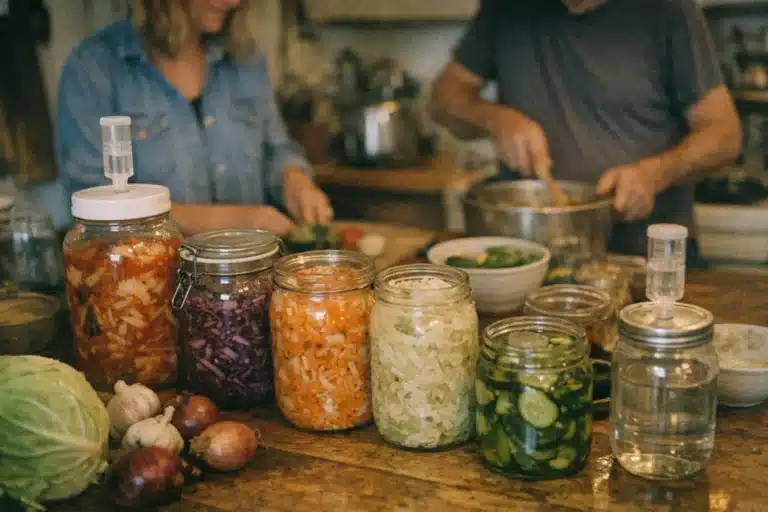
Creating fermented foods at home offers control over ingredients, fermentation time, and final flavour profiles. Basic equipment requirements include glass jars, non-metal utensils, and proper covers that allow gas release while preventing contamination.
Vegetable ferments like sauerkraut require only cabbage, salt, and time, making them ideal starting projects for beginners. The natural bacteria present on fresh vegetables initiate fermentation when proper salt concentrations create favourable conditions for beneficial microorganisms.
Water quality significantly impacts fermentation success, with chlorinated tap water potentially inhibiting beneficial bacteria growth. Filtered or spring water provides optimal conditions for culture development and flavour development.
New Zealand’s seasonal produce cycles offer unique opportunities for creating fermented foods that capture peak nutritional content and flavours. Summer’s abundant vegetables provide excellent raw materials for traditional ferments, while autumn harvests allow for preservation of seasonal abundance.
Winter fermentation projects can focus on slower, longer ferments that develop complex flavours over months rather than weeks. These extended fermentation periods often produce more diverse microbial communities and enhanced nutritional profiles.

Spring’s fresh greens and herbs offer opportunities for innovative fermentation combinations that incorporate native plants and seasonal flavours unique to New Zealand’s growing conditions.
Sustainable digestive health benefits require consistent, long-term consumption rather than sporadic use of fermented foods. Building daily habits around fermented food consumption creates lasting positive changes in gut microbial diversity and digestive function.
Combining fermented foods with prebiotic-rich foods like Jerusalem artichokes, garlic, and onions provides fuel for beneficial bacteria, enhancing their survival and multiplication in the digestive tract. This synergistic approach maximises the investment in fermented food consumption.
Monitoring personal responses to different fermented foods helps identify which products provide the most noticeable benefits for individual digestive concerns. Everyone’s microbiome responds differently, making personalised approaches more effective than generic recommendations.
The integration of fermented foods into New Zealand’s food culture represents a return to traditional wisdom supported by modern scientific understanding. As more Kiwis experience the digestive benefits of these ancient foods, the local fermentation industry continues expanding, offering increasingly sophisticated options for those seeking natural digestive support through dietary choices.
This article is proudly brought to you by New Zealand Wellness Hub. At New Zealand Wellness Hub, we connect ancient wisdom with modern healing approaches. Through our network of health professionals and evidence-based resources, we’re dedicated to enhancing your holistic well-being journey across Aotearoa. Explore our latest posts and stay informed with the best in Medical Services, Health Food & Supplements, Health & Wellness Industries, Corporate Wellness, Alternative Therapies, and Lifestyle & Consumer Products!
trish_sews says:
Yeah nah, making your own fermented stuff at home is the only way to actually know what’s going in and that you’re getting live cultures that aren’t just sitting there dead in some warehouse.
Douglas Ferreira says:
Tried the store-bought stuff for months thinking it’d fix my gut, then realized I was just drinking expensive sugar water with a handful of bacteria doing bugger all…
Michelle A. says:
Nah, I reckon the live cultures in commercial kombucha aren’t totally dead like that – they’re just slower moving by the time you buy them, which is still legit beneficial if you’re drinking it regularly rather than expecting it to be a magic bullet.
callum_vid says:
The shelf-life thing is the real problem here, reckon most people buying commercial kombucha have no idea the live cultures are basically dead by purchase. Spending money on that stuff thinking it’ll fix your gut is a bit of a waste when homemade ferments actually deliver what the marketing promises.
SteveP says:
The fermentation trend in New Zealand is genuine, but I’d caution against treating these products as a silver bullet for digestive health. The science shows benefits are real, yet highly variable depending on the specific strain, fermentation duration, and individual microbiome composition. Most commercial kombucha and sauerkraut on shelves contain minimal live cultures by the time they reach consumers. If you’re investing time and money into fermented foods for digestive purposes, the ROI depends entirely on whether you’re actually getting active probiotics in meaningful quantities. Worth verifying what you’re