Share
Facebook
Twitter
LinkedIn
Pinterest
Reddit
Digg
Tumblr
Email
Mirimiri is a traditional Māori healing practice that uses massage, pressure and movement to support physical and emotional wellbeing. For generations, it has been passed down through whānau and hapū, often alongside other customary approaches such as romiromi and rongoa Māori. Today, mirimiri is finding a place in mainstream wellness settings across Aotearoa, offered by trained practitioners in clinics, retreats and community health services.
What makes mirimiri stand out is its foundation in whanaungatanga — the building of relationship and trust between practitioner and client. A session is not simply a physical treatment. It often begins with a conversation, a chance to share what is happening in your life, and a recognition that the body, mind, spirit and environment are connected.
For New Zealanders exploring alternative therapies, mirimiri offers something distinct from conventional massage. It carries cultural meaning, spiritual depth and a long history of use within Māori communities. Understanding where it comes from, and how it is practised now, helps you approach it with respect and get the most from a session.
Mirimiri sits within a wider body of Māori healing knowledge. Traditionally, tohunga and kaumātua with specific skills would use mirimiri to ease aches, release tension and address imbalances caused by grief, stress or injury. The practice was often woven together with karakia, waiata and the use of native plants. When Sir Apirana Ngata and other leaders worked to revive Māori cultural practices in the early twentieth century, mirimiri was among the traditions that were carefully maintained and taught.
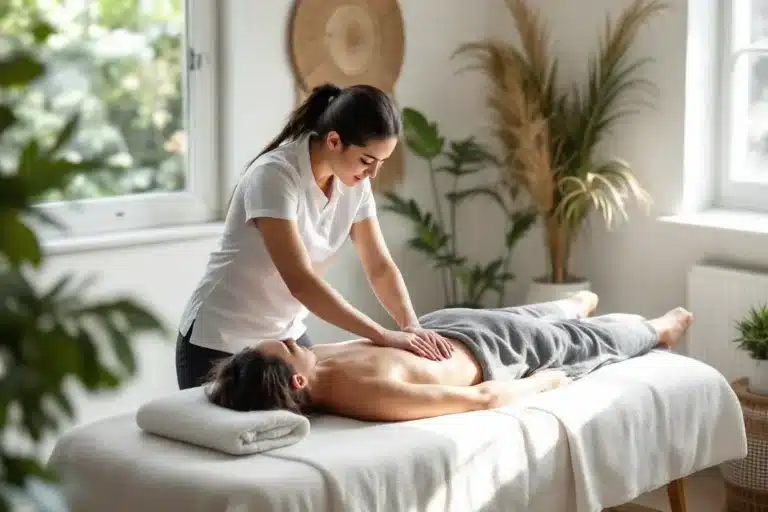
A modern mirimiri session can look different depending on the practitioner. Some work on a massage table, others on a mat on the floor. Techniques include deep tissue work, stretching, joint mobilisation and the use of forearms, elbows and knees. Breathing cues and gentle rhythmic movement are common. Many practitioners also incorporate karakia or a mihi at the start and end of a session.
Sessions typically run between 60 and 90 minutes. You can expect to discuss your health history, any injuries and what you hope to gain from the treatment. The practitioner will then work through areas of tension or restriction, checking in with you about pressure and comfort. Afterwards, plenty of water and a quiet evening are often recommended. Some people feel emotional release during or after a session, which is considered a normal part of the process.
There is currently no single national registration body for mirimiri, so it pays to do a bit of homework before booking. Many practitioners train through wānanga, marae based programmes or kaupapa Māori health organisations. Qualifications such as a Diploma in Māori Healing or a certificate in rongoā Māori are a good sign, though experience within the community matters just as much.
Word of mouth remains the strongest guide. Ask around at your local marae, health centre or kōhanga reo. Many Māori health providers, including some primary health organisations, can point you towards trusted practitioners in your rohe. It is also reasonable to ask a practitioner about their training, who they learned from and how long they have been practising.
Costs vary widely. Community based sessions may be offered by koha, while private clinics typically charge between $80 and $150 for a full session. Some ACC sensitive claims and workplace wellness programmes now include mirimiri as part of their treatment options, recognising its value for stress related conditions and musculoskeletal pain. If you are unsure whether a treatment is suitable for you, the Ministry of Health website has general guidance on choosing complementary therapies safely.
Arrive a little early so you are not rushed. Wear comfortable clothing that allows easy movement. Some practitioners will ask you to undress to your comfort level and will use towels or blankets for coverage, while others work through loose clothing. Let your practitioner know about any injuries, surgeries, pregnancy or medical conditions beforehand.
Communication during the session is important. Traditional mirimiri is not a silent, hands-off experience. You are encouraged to speak up if the pressure feels too strong or if you need a break. Many practitioners will also share observations about what they notice in your body, which can be helpful for understanding patterns of tension.
After a session, give yourself time to rest. Avoid heavy exercise, alcohol or intense mental work for the remainder of the day. Some people notice immediate relief, while others feel the benefits build over the following days. A short walk, a warm bath and a good sleep are simple ways to support the process.

People seek mirimiri for a wide range of reasons. Common ones include chronic back and neck pain, headaches, sports recovery, stress, anxiety and grief. Because it combines physical manipulation with cultural and spiritual elements, many clients report benefits that go beyond what they get from a standard massage.
Research into mirimiri specifically is still limited, but the wider evidence for therapeutic massage is strong. Studies consistently show that massage can reduce pain, lower cortisol levels and improve sleep quality. The cultural and relational aspects of mirimiri may add further value, particularly for Māori clients who find mainstream services less accessible or less culturally safe. A growing number of district health boards and primary care providers are recognising this and working alongside rongoā practitioners.
It is worth being clear about what mirimiri is not. It is not a replacement for medical diagnosis or emergency care. If you have an undiagnosed injury, persistent pain or concerning symptoms, see your GP first. Mirimiri works best as part of a wider approach to health, alongside good nutrition, movement and, where needed, conventional treatment.
Mirimiri is more than a technique. It is part of a living culture, and the practitioners who offer it often carry responsibilities to their whānau, hapū and iwi. When you book a session, you are entering into a relationship that carries cultural expectations. A respectful attitude, a willingness to listen and an openness to the process go a long way.
If you are not Māori, it is reasonable to ask questions about the cultural elements of a session — karakia, for example, or the use of particular plants. Most practitioners are generous with their knowledge and happy to explain what they are doing and why. If something feels off, or if you are unsure whether a service is being offered authentically, trust your instincts and look elsewhere.
Mirimiri offers New Zealanders a way to receive skilled bodywork within a framework that honours Māori knowledge and culture. Whether you are dealing with chronic pain, recovering from stress or simply curious about a traditional practice, a session with a qualified practitioner can be a meaningful experience. Take the time to find someone you trust, prepare properly and give yourself space afterwards to feel the benefits. For those seeking alternative therapies that are rooted in Aotearoa, mirimiri deserves a place on the shortlist.
This article is proudly brought to you by New Zealand Wellness Hub. At New Zealand Wellness Hub, we connect ancient wisdom with modern healing approaches. Through our network of health professionals and evidence-based resources, we’re dedicated to enhancing your holistic well-being journey across Aotearoa. Explore our latest posts and stay informed with the best in Medical Services, Health Food & Supplements, Health & Wellness Industries, Corporate Wellness, Alternative Therapies, and Lifestyle & Consumer Products!