Share
Facebook
Twitter
LinkedIn
Pinterest
Reddit
Digg
Tumblr
Email
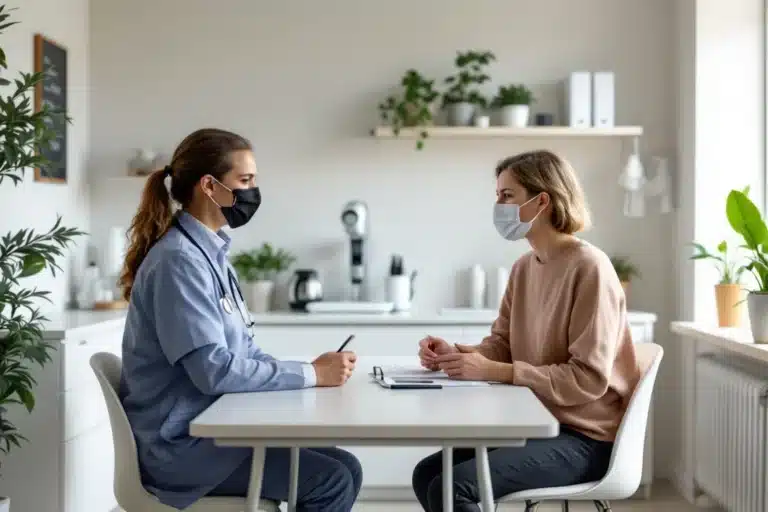
The integration of acupuncture with conventional medical services represents one of the most significant developments in New Zealand’s healthcare sector. This ancient Chinese practice, once viewed with scepticism by mainstream medicine, has found its place alongside traditional Western treatments in hospitals, GP clinics, and specialised medical centres across the country.
New Zealand’s healthcare system has embraced this collaborative approach, recognising that patients often benefit from combining evidence-based complementary therapies with conventional treatments. This integration reflects a broader shift towards patient-centred care that acknowledges the limitations of single-treatment approaches.
Medical doctors across New Zealand are increasingly incorporating acupuncture into their practice or referring patients to qualified acupuncturists. This shift has been particularly notable in pain management, where acupuncture’s effectiveness is well-documented through clinical research.
Many GPs now work alongside registered acupuncturists to provide comprehensive treatment plans for conditions such as chronic pain, migraines, and post-surgical recovery. Some medical centres employ qualified acupuncturists on-site, allowing for seamless coordination between different treatment modalities.
Hospitals in Auckland, Wellington, and Christchurch have introduced acupuncture services for specific conditions. These programmes often focus on pain management for cancer patients, post-operative care, and supporting patients through chemotherapy side effects. The integration typically involves medical supervision and careful documentation of outcomes.
The integration of acupuncture with medical services has driven improvements in training standards and professional qualifications. Medical practitioners seeking to add acupuncture to their skillset typically undertake specialised courses designed specifically for healthcare professionals.
These medical acupuncture courses differ from traditional acupuncture training, focusing on evidence-based applications and safety protocols within clinical environments. The training emphasises anatomical knowledge that medical professionals already possess while teaching specific needling techniques and point selection.
Professional bodies have established clear guidelines for medical practitioners using acupuncture. These standards ensure that doctors maintain their primary medical training while developing competency in acupuncture techniques. The Ministry of Health recognises these professional development programmes as part of continuing medical education.
Research has identified specific medical conditions where acupuncture shows measurable benefits when integrated with conventional treatment. Chronic lower back pain represents one area where the evidence is particularly strong, leading many orthopaedic clinics to include acupuncture in their treatment protocols.
Oncology departments have found acupuncture valuable for managing chemotherapy-induced nausea and peripheral neuropathy. Cancer centres often employ acupuncturists as part of their supportive care teams, working directly with oncologists to optimise patient comfort and treatment outcomes.
Fertility clinics increasingly combine acupuncture with assisted reproductive technologies. Research suggests that acupuncture may improve success rates for IVF procedures, leading fertility specialists to recommend treatment before and during cycles.
Mental health services have also incorporated acupuncture for anxiety and depression management. While not a replacement for psychological therapies or medication, acupuncture serves as an additional tool for patients who struggle with conventional treatments alone.
Integration with medical services has elevated safety standards for acupuncture practice. Medical facilities implementing acupuncture must meet strict infection control protocols and maintain comprehensive patient records that integrate with existing medical documentation systems.
Risk management procedures include screening patients for contraindications, such as certain medications or medical conditions that might complicate acupuncture treatment. Medical practitioners trained in acupuncture bring valuable diagnostic skills to identify patients who may not be suitable candidates.
Equipment sterilisation follows hospital-grade protocols, and single-use needles are mandatory in all medical settings. These safety measures have helped build confidence among medical professionals who were previously concerned about hygiene and safety standards.
Studies conducted in New Zealand medical facilities show high patient satisfaction rates when acupuncture is offered as part of integrated care. Patients appreciate having multiple treatment options and often report feeling more actively involved in their healthcare decisions.
Outcome measurements demonstrate that integrated approaches often achieve better results than either treatment modality alone. Pain management programmes combining acupuncture with physiotherapy and medication typically show improved patient function and reduced dependency on pain medications.
Patient compliance with treatment programmes improves when multiple options are available. Some patients who struggle with medication side effects find acupuncture provides alternative relief, while others use acupuncture to enhance the effectiveness of conventional treatments.

Despite growing acceptance, several challenges remain in integrating acupuncture with medical services. Cost considerations often limit implementation, as many acupuncture treatments are not covered by public health funding and require private payment or insurance coverage.
Scheduling coordination between medical practitioners and acupuncturists can be complex, particularly in busy clinical environments. Some medical centres have addressed this by employing acupuncturists directly, while others maintain referral relationships with external practitioners.
Training time represents another barrier, as medical practitioners must invest significant hours to develop acupuncture competency alongside their existing workloads. This challenge has led to increased collaboration models where specialists work together rather than individual practitioners learning both disciplines.
Documentation and record-keeping requirements can be challenging when integrating different treatment approaches. Medical facilities must ensure that acupuncture treatments are properly recorded and integrated with existing patient management systems.
The future of acupuncture integration in New Zealand medical services looks promising, with several developments on the horizon. Telemedicine platforms are beginning to incorporate consultation services that help coordinate acupuncture treatment with ongoing medical care.
Research initiatives are examining which patient populations benefit most from integrated approaches, helping medical practitioners make more targeted referrals. This evidence-based approach strengthens the case for wider integration across different medical specialties.
Medical schools are beginning to include complementary therapy education in their curricula, preparing future doctors to work effectively in integrated healthcare environments. This educational shift suggests that integration will become more seamless as new graduates enter the workforce.
Technology developments, including electronic health records that accommodate multiple treatment modalities, are making coordination easier for healthcare teams. These systems help track patient progress across different treatment approaches and identify the most effective combinations.
Insurance coverage for acupuncture varies significantly across New Zealand, affecting how easily medical facilities can integrate these services. Some private health insurers cover acupuncture when provided by medical practitioners or when referred by doctors for specific conditions.
ACC coverage includes acupuncture for eligible injury-related conditions, making integration more feasible in rehabilitation and sports medicine settings. This funding support has encouraged more medical practitioners to develop acupuncture skills for treating accident-related injuries.
Public health funding remains limited for acupuncture services, though some pilot programmes have demonstrated cost-effectiveness in specific applications. These studies may influence future funding decisions and broader integration opportunities.
The integration of acupuncture with conventional medical services in New Zealand represents a significant evolution in healthcare delivery. As evidence continues to support combined treatment approaches and professional standards improve, this integration will likely expand further. Success depends on maintaining high safety standards, ensuring proper training, and developing sustainable funding models that make these integrated services accessible to all New Zealanders who could benefit from them.
This article is proudly brought to you by New Zealand Wellness Hub. At New Zealand Wellness Hub, we connect ancient wisdom with modern healing approaches. Through our network of health professionals and evidence-based resources, we’re dedicated to enhancing your holistic well-being journey across Aotearoa. Explore our latest posts and stay informed with the best in Medical Services, Health Food & Supplements, Health & Wellness Industries, Corporate Wellness, Alternative Therapies, and Lifestyle & Consumer Products!
SteveP says:
Before we accept acupuncture into mainstream practice here in New Zealand, shouldn’t we establish clearer benchmarks for which specific conditions have sufficient evidence backing them, rather than treating integration as a blanket endorsement.
Helen D. says:
The claim that acupuncture was “once viewed with scepticism by mainstream medicine” glosses over why that scepticism existed in the first place. It wasn’t just closed-mindedness. The evidence for most acupuncture applications remains mixed at best, and framing this integration as some kind of validation sidesteps that inconvenient detail. Fair dinkum integration means being honest about where the research actually stands,