Share
Facebook
Twitter
LinkedIn
Pinterest
Reddit
Digg
Tumblr
Email
New Zealand households are increasingly turning to bamboo products as an environmentally conscious alternative to traditional materials. This remarkable grass species offers durability, versatility, and renewable qualities that align perfectly with Kiwi values of sustainability and connection to nature. From kitchen essentials to furniture and personal care items, bamboo products are transforming how we live while reducing our environmental footprint.
Bamboo’s rapid growth cycle and natural antibacterial properties make it an exceptional choice for conscious consumers. Unlike hardwood trees that take decades to mature, bamboo can be harvested in just three to five years while continuing to regenerate from its root system. This renewable resource produces up to 35% more oxygen than trees and requires no pesticides or fertilisers to thrive, making it a genuinely sustainable option for New Zealand homes.
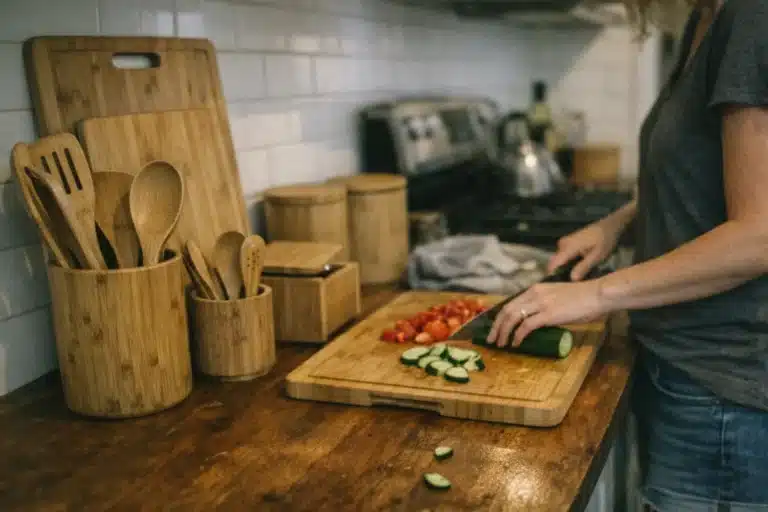
The kitchen represents one of the most popular areas for bamboo product adoption in New Zealand homes. Bamboo cutting boards have gained particular favour among home cooks for their natural antimicrobial properties and knife-friendly surface. Unlike plastic alternatives that harbour bacteria in cut marks, bamboo cutting boards naturally resist bacterial growth and maintain their integrity over years of use.
Bamboo utensils offer another excellent replacement for plastic kitchen tools. Spatulas, spoons, and serving sets crafted from bamboo provide heat resistance and won’t scratch non-stick cookware. Many New Zealand families are choosing bamboo dinner sets for everyday use, particularly those with young children, as these products are naturally BPA-free and safe if dropped or chewed.
Storage solutions represent another growing category, with bamboo containers, bread bins, and spice racks becoming increasingly common in Kiwi kitchens. These products often feature airtight seals that keep food fresh while adding natural warmth to kitchen aesthetics. Bamboo paper towel holders and dish racks complete the sustainable kitchen setup, offering functionality without compromising environmental values.
Personal care represents a rapidly expanding area for bamboo product adoption. Bamboo toothbrushes have become particularly popular among environmentally conscious New Zealanders, with biodegradable handles replacing plastic alternatives that persist in landfills for centuries. Many local retailers now stock bamboo toothbrush options, often packaged in compostable materials.
Bamboo cotton products offer softness and sustainability for personal care routines. Bamboo-derived fabrics naturally wick moisture and resist odours, making them ideal for towels, washcloths, and bathrobes. These textiles become softer with each wash while maintaining their antibacterial properties, providing long-term value for New Zealand households.
Hair care accessories crafted from bamboo, including combs and brushes, offer gentle alternatives to plastic options. Bamboo’s smooth surface reduces static and hair breakage while distributing natural oils evenly through hair strands. Many of these products feature ergonomic designs that make daily grooming routines more comfortable and environmentally responsible.
Bamboo furniture has evolved far beyond basic designs to encompass sophisticated pieces suitable for modern New Zealand homes. Coffee tables, dining sets, and storage solutions crafted from engineered bamboo offer strength comparable to hardwood while maintaining lighter weights and more sustainable production methods. These pieces often feature clean lines that complement both contemporary and traditional interior styles.
Bamboo flooring represents a significant investment that many Kiwi homeowners are considering for renovations and new construction. This flooring option provides natural beauty, durability, and thermal properties that suit New Zealand’s varied climate conditions. Bamboo floors can be refinished like traditional hardwood but grow back to harvest maturity in a fraction of the time required for tree species.
Decorative accessories made from bamboo add natural texture and warmth to living spaces. Picture frames, lampshades, and wall art crafted from bamboo create focal points while reinforcing sustainable living values. These accessories often showcase bamboo’s natural grain patterns and warm colour variations, bringing organic elements into modern home environments.
The modern workspace has embraced bamboo products as professionals seek sustainable alternatives to plastic and metal accessories. Bamboo laptop stands, desk organisers, and phone holders combine functionality with environmental responsibility. These products often feature precise engineering that accommodates modern technology while providing natural aesthetics that reduce screen-time stress.
Bamboo speakers represent an innovative fusion of technology and sustainability. These devices utilise bamboo’s natural acoustic properties to enhance sound quality while eliminating plastic components. Many models feature bluetooth connectivity and solar charging capabilities, further reducing their environmental impact.
Cable management solutions crafted from bamboo help organise electronic equipment while maintaining clean workspace aesthetics. These products often incorporate multiple device charging capabilities with natural materials that age gracefully rather than showing wear like plastic alternatives.
New Zealand’s outdoor lifestyle naturally extends bamboo product usage beyond interior spaces. Garden stakes, plant supports, and outdoor furniture crafted from bamboo withstand weather conditions while providing renewable alternatives to treated timber or plastic options. Many gardeners appreciate bamboo’s natural resistance to moisture and insects without chemical treatments.
Outdoor dining sets made from bamboo offer lightweight portability for deck entertainment and camping adventures. These products often feature weather-resistant finishes that protect against New Zealand’s variable climate conditions while maintaining natural appearance and sustainability credentials.
Bamboo clothing items, while technically textile products, deserve mention for outdoor activities. Base layers, activewear, and casual clothing made from bamboo fibres provide moisture-wicking properties and UV protection that suit New Zealand’s outdoor recreation culture. According to environmental guidelines, these natural fibres biodegrade completely unlike synthetic athletic wear.

Selecting high-quality bamboo products requires attention to construction methods, certifications, and source transparency. Reputable manufacturers provide information about bamboo species, harvesting practices, and processing methods used in their products. Look for certifications from recognised sustainability organisations that verify responsible sourcing and production standards.
Construction quality varies significantly among bamboo products, with laminated and engineered options typically offering superior strength and longevity compared to solid bamboo pieces. Joints, finishes, and hardware quality indicate overall product durability and long-term satisfaction. Many quality bamboo products feature food-safe finishes that maintain the material’s natural antibacterial properties.
Price considerations should account for longevity and environmental benefits rather than initial cost alone. Quality bamboo products often cost more upfront than plastic alternatives but provide superior durability and align with sustainable living values. Many New Zealand retailers offer warranties on bamboo products that reflect confidence in their construction quality and expected lifespan.
Proper care extends bamboo product lifespan while maintaining their natural benefits. Most bamboo items require simple maintenance routines that preserve their appearance and functionality. Kitchen items benefit from hand washing with mild soap and thorough drying to prevent moisture absorption that could lead to cracking or warping.
Periodic conditioning with food-safe oils maintains bamboo’s natural moisture content and prevents splitting. Many manufacturers recommend monthly oil treatments for heavily used items like cutting boards and utensils. Natural oils like mineral oil or specialised bamboo conditioners work effectively without introducing harmful chemicals.
Storage considerations help bamboo products maintain their integrity over time. Avoid extreme temperature changes and direct sunlight exposure that can cause cracking or colour fading. Proper ventilation around bamboo items prevents moisture buildup that might encourage mould or bacteria growth despite bamboo’s natural resistance.
Bamboo products offer New Zealand households practical pathways toward more sustainable living without sacrificing quality or functionality. From daily essentials to significant furniture investments, these renewable alternatives support environmental goals while enhancing home aesthetics and performance. As awareness grows and product availability expands, bamboo represents an increasingly accessible choice for conscious consumers seeking to reduce their environmental impact while enjoying beautiful, functional products that reflect their values.
This article is proudly brought to you by New Zealand Wellness Hub. At New Zealand Wellness Hub, we connect ancient wisdom with modern healing approaches. Through our network of health professionals and evidence-based resources, we’re dedicated to enhancing your holistic well-being journey across Aotearoa. Explore our latest posts and stay informed with the best in Medical Services, Health Food & Supplements, Health & Wellness Industries, Corporate Wellness, Alternative Therapies, and Lifestyle & Consumer Products!
Mike Chen says:
Yeah, the salt spray factor is real. I’ve seen plenty of imported bamboo fail within two years in coastal areas because suppliers don’t account for our specific climate. The locally-sourced stuff holds moisture differently. It’s not just about environmental ethics either. The durability math works out better when the material’s actually suited to where you’re living. Fewer replacements means less waste overall.
Vanessa Kumar says:
Yeah, totally with you on this. Local suppliers who understand our humidity and salt spray make such a difference. We switched to locally-sourced bamboo for our deck last year and it’s held up so much better than the imported stuff we tried before. No warping, no constant maintenance. That’s what we need more of.
greg_d says:
The local suppliers knowing our climate is the real win here, mate. Stuff that’s built for Kiwi weather from the start just doesn’t need replacing every few years like imported gear does.
Tony G. says:
Mate, you’re onto it. We’ve been steering our customers toward native timber and locally milled stuff for a couple years now, and the difference is real. Cuts the carbon footprint heaps compared to shipping bamboo halfway round the world. Plus our local suppliers know what works in our climate, so it lasts longer. Sweet as option if you’ve got the patience to source it properly.
Brad W. says:
Fair point on the shipping side. Local timber’s the move if you can source it properly, cuts down the transport emissions heaps.
Craig S. says:
Bamboo’s alright but nah, it’s not gonna solve much if it’s shipped halfway round the world. Reckon we’d do better sourcing local native timber thats already proven to last.